
Introduction
Console gaming has been a cornerstone of home entertainment for decades. From early cartridge-based systems to today’s powerful, internet-connected consoles, this segment of the gaming industry has continually evolved to meet changing player expectations. Modern gaming consoles offer high-performance hardware, immersive graphics, expansive game libraries, and seamless online services that rival PC gaming in both quality and popularity.
This long-form guide explores console gaming in depth, covering its history, technology, leading platforms, genres, benefits, challenges, and future trends. The goal is to provide an accurate, helpful, and SEO-optimized resource for gamers, parents, and anyone interested in understanding the role of console gaming in today’s digital world.
The Evolution of Console Gaming
Early Home Consoles and the Birth of Gaming Culture
Console gaming began in the 1970s with simple home systems that connected to televisions. Early consoles introduced interactive entertainment to households and laid the foundation for modern gaming culture.
Key characteristics of early console gaming:
- Limited graphics and sound capabilities
- Physical cartridges for game distribution
- Focus on arcade-style gameplay
Despite technical limitations, these systems sparked widespread interest and established gaming as a mainstream hobby.
The Rise of 3D Graphics and Disc-Based Media
The transition from 2D to 3D graphics marked a significant leap forward. Optical discs replaced cartridges, allowing developers to create larger, more complex games with cinematic storytelling.
Major advancements during this era included:
- Fully 3D game worlds
- Voice acting and cutscenes
- Memory cards for saving progress
These innovations helped consoles appeal to older audiences and broaden their cultural impact.
Modern Console Gaming Technology
Hardware Performance and Graphics Capabilities
Today’s gaming consoles are highly specialized computers designed for performance and efficiency. They feature custom processors, dedicated graphics hardware, and fast storage solutions.
Modern console hardware enables:
- High-resolution gaming, including 4K output
- Smooth frame rates for responsive gameplay
- Advanced lighting and physics effects
Solid-state drives (SSDs) have significantly reduced load times, improving overall player experience.
Online Services and Digital Ecosystems
Console gaming now relies heavily on online services. Players can download games digitally, access cloud saves, and participate in online multiplayer matches.
Common features of console ecosystems include:
- Subscription-based online multiplayer access
- Monthly free or discounted games
- Integrated social features and voice chat
These services have transformed consoles into long-term entertainment platforms rather than standalone devices.
Major Console Gaming Platforms
Home Consoles
Home consoles are designed primarily for stationary use and connect to televisions or monitors. They prioritize performance, visual quality, and immersive gameplay experiences.
Key strengths of home consoles:
- High graphical fidelity
- Support for physical and digital games
- Strong first-party game libraries
Handheld and Hybrid Consoles
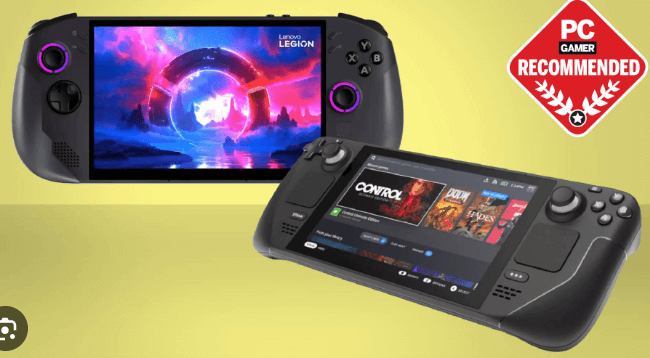
Hybrid consoles combine portability with home console functionality. They allow players to enjoy console-quality games both on the go and at home.
Advantages of hybrid systems:
- Flexible play styles
- Local multiplayer options
- Broad appeal across age groups
Console Game Genres and Experiences
Popular Console Game Genres
Console gaming supports a wide range of genres, many of which are designed specifically to take advantage of controller-based gameplay.
Popular console genres include:
- Action and adventure games
- Role-playing games (RPGs)
- Sports and racing games
- Fighting and platform games
These genres often emphasize immersive storytelling, polished mechanics, and long play sessions.
Single-Player Storytelling vs Multiplayer Competition
Console games are well-known for high-quality single-player experiences, often featuring cinematic narratives and character development. At the same time, online multiplayer games have become increasingly popular.
Console multiplayer options include:
- Competitive online modes
- Cooperative gameplay with friends
- Local split-screen multiplayer
This balance allows consoles to appeal to both solo players and social gamers.
Benefits of Console Gaming
User-Friendly and Accessible
One of the biggest advantages of console gaming is its ease of use. Consoles are designed to work out of the box with minimal setup, making them accessible to players of all skill levels.
Accessibility benefits include:
- Simple user interfaces
- Consistent hardware performance
- Controller-based navigation
Optimized Gaming Experiences
Because console hardware is standardized, developers can optimize games specifically for each platform. This results in stable performance and fewer compatibility issues compared to open systems.
Console Gaming and Social Interaction
Online Communities and Social Features
Modern consoles integrate social features that allow players to connect, communicate, and share content. Friends lists, achievements, and in-game messaging enhance player engagement.
Social gaming features include:
- Voice and text chat
- Streaming and content sharing
- Community events and challenges
Esports and Competitive Console Gaming
Console gaming also plays a role in the esports ecosystem. Competitive titles hosted on consoles attract large audiences and professional players.
Factors supporting console esports
Challenges and Limitations of Console Gaming
Cost and Hardware Lifecycles
While consoles are often more affordable than gaming PCs, there is still an upfront cost. Additionally, consoles follow generational lifecycles, meaning hardware eventually becomes outdated.
Considerations include:
- Initial console purchase cost
- Subscription fees for online services
- Limited upgrade options
Digital Ownership and Storage Constraints
As digital game libraries grow, storage space can become a challenge. Players may need to manage downloads or invest in additional sto
The Economic and Cultural Impact of Console Gaming
Contribution to the Global Gaming Industry
Console gaming represents a significant share of the global gaming market. It drives revenue through game sales, digital content, subscriptions, and accessories.
Economic impact areas:
- Job creation in development and publishing
- Growth of gaming-related services
- Expansion of global gaming communities
Influence on Popular Culture
Console gaming franchises have influenced movies, television, music, and merchandise. Iconic characters and stories have become part of mainstream culture, extending far beyond gaming audiences
The Future of Console Gaming
Cloud Gaming and Streaming Integration
Cloud gaming is increasingly integrated into console ecosystems, allowing players to stream games without downloading them. This technology expands accessibility and reduces hardware limitations.
Cross-Platform Play and Ecosystem Expansion
Cross-platform play enables console gamers to compete and cooperate with players on other devices. This trend promotes inclusivity and longer game lifespans.
Future developments are likely to focus on:
- Deeper integration with cloud services
- Improved accessibility features
- More sustainable hardware designs
Conclusion
Console gaming remains a vital and evolving part of the gaming industry. Its combination of powerful hardware, curated experiences, and social connectivity continues to attract millions of players worldwide. While challenges such as cost and hardware limitations exist, ongoing innovation ensures that console gaming will remain relevant and influential in the years to come. For players seeking a reliable, immersive, and community-driven gaming experience, consoles continue to offer exceptional value.
Frequently Asked Questions (FAQs)
1. What is console gaming?
Console gaming involves playing video games on dedicated gaming consoles connected to a television or monitor.
2. How is console gaming different from PC gaming?
Console gaming offers standardized hardware and simpler setup, while PC gaming allows more customization and upgrades.
3. Are consoles good for beginners?
Yes, consoles are user-friendly and designed for easy setup, making them ideal for beginners.
4. Do consoles support online multiplayer?
Most modern consoles support online multiplayer through subscription-based services.
5. What is the future of console gaming?
The future includes cloud gaming, cross-platform play, improved hardware efficiency, and deeper online integration.



 YouTube Gaming: A Complete Guide to the World’s Largest Gaming Video Platform